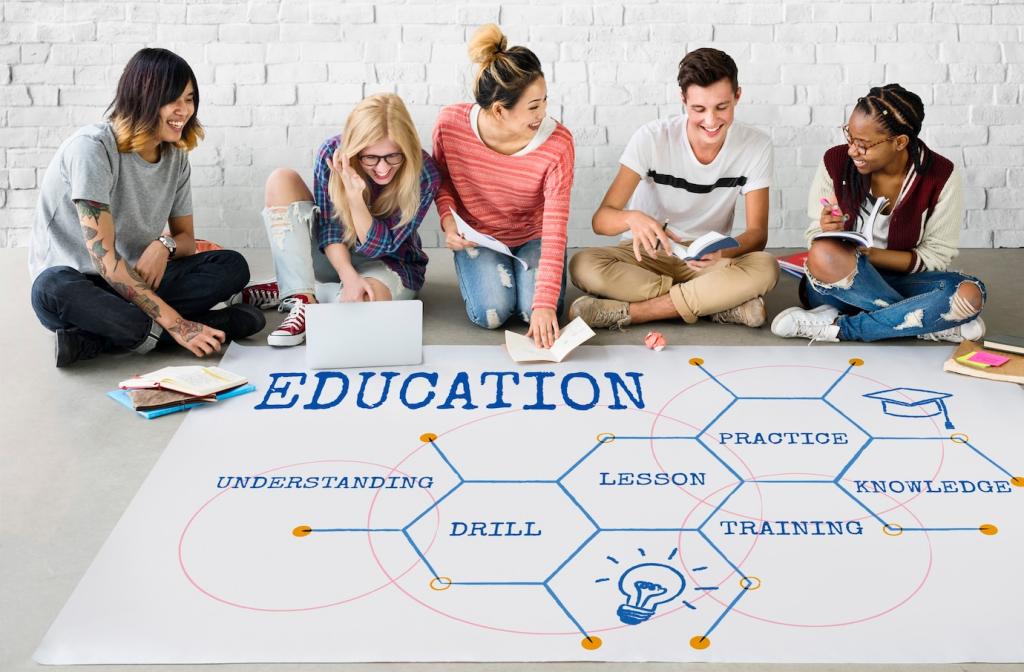
Exploring The Relationship Between Educational Attainment and Economic Prosperity

Welcome! Today’s chosen theme is The Relationship Between Educational Attainment and Economic Prosperity. We’ll connect research, real stories, and practical ideas showing how learning uplifts incomes, businesses, and entire communities. Read, reflect, and share your journey—then subscribe to keep the conversation growing.

Human capital that compounds over time

Education develops capabilities—analysis, communication, problem solving—that compound like interest. As workers apply these skills, they become more productive, organizations innovate faster, and the broader economy benefits through higher output and resilience.

Wage premiums across education levels

Multiple studies indicate higher average earnings for those completing secondary and tertiary education, with field and quality influencing outcomes. Although not every diploma guarantees prosperity, probabilities shift meaningfully as skills deepen and credentials signal readiness.

Numbers That Tell the Story

Research often finds each additional year of schooling associated with notable wage gains, though results vary. Returns are influenced by program quality, local labor demand, and whether learning aligns with evolving technical and human skills.

Numbers That Tell the Story

During downturns, workers with higher education levels frequently face lower unemployment and rebound faster. Strong foundational skills and adaptable learning habits help people pivot, retrain, and remain valuable as industries change and technologies advance.

Numbers That Tell the Story

Regions with dense talent pools see more patents, startups, and scale-ups. Education magnifies knowledge diffusion, enabling clusters where universities, employers, and civic groups convert ideas into new products, productivity gains, and better-paying jobs.

Quality Over Quantity

Foundational literacies that unlock everything else

Strong literacy, numeracy, and digital fluency anchor lifelong opportunity. When learners master basics early and practice them often, advanced topics become accessible, careers diversify, and economic mobility becomes more achievable across generations.

Relevant curricula tied to real work

Programs that connect classroom learning with projects, internships, and community challenges help students translate theory into impact. This relevance reduces skill mismatches and ensures graduates step into roles ready to contribute immediately.

Teacher effectiveness and supportive leadership

Great teachers change trajectories by setting high expectations and providing feedback that sparks growth. Schools that invest in mentoring, collaboration, and evidence-based practices multiply those gains, strengthening the link from learning to prosperity.

Early starts that compound advantage

High-quality early childhood programs build vocabulary, curiosity, and self-regulation—skills that predict later achievement and earnings. When communities invest early, they reduce remediation costs and increase the odds of long-term economic participation.

Removing financial and informational barriers

Transparent guidance, fair admissions, affordable tuition, and supportive services matter. When students can see viable pathways, understand costs, and access advising, they are more likely to persist, graduate, and attain economic stability.

A story of first-generation momentum

Consider a first-generation student balancing work and night classes. With mentorship and targeted grants, they complete a credential, gain a promotion, and help siblings navigate school—multiplying prosperity across a family and neighborhood. Share your story too.

Multiple Pathways to Prosperity

Modern technical programs blend rigorous academics with hands-on training in fields like advanced manufacturing, clean energy, and healthcare. Graduates often secure well-paid roles quickly, supporting families while building adaptable, in-demand skill sets.

Multiple Pathways to Prosperity

Paid apprenticeships let learners earn while mastering complex tasks alongside experts. Employers shape training to real needs, workers build confidence and networks, and communities keep talent rooted in growing local industries. Tell us where this works near you.

Technology, Skills, and the Future of Work

Digital fluency as economic infrastructure

From data analysis to cybersecurity hygiene, digital capabilities now function like electricity for modern work. When education systems embed these essentials broadly, individuals navigate tools confidently and organizations innovate safely and quickly.

Human skills that machines complement

Creativity, collaboration, and ethical judgment amplify technology’s benefits. Programs that cultivate these durable skills alongside technical depth make graduates versatile contributors who can lead teams, serve customers, and adapt as roles shift.

Reskilling at the speed of change

As industries transform, rapid reskilling protects livelihoods and competitiveness. Partnerships between employers and educators deliver short, targeted programs that translate immediately into new responsibilities and better pay. Subscribe for practical guides and upcoming case studies.
Kimberlyshella
Privacy Overview

This website uses cookies so that we can provide you with the best user experience possible. Cookie information is stored in your browser and performs functions such as recognising you when you return to our website and helping our team to understand which sections of the website you find most interesting and useful.